Why Heat Is Especially Demanding in Later Life
Summer means sunshine, long days and time spent outdoors. Yet for older people, hot days have a downside too: as we age, the body regulates its temperature less reliably, the sense of thirst fades noticeably, and the circulation reaches its limits more quickly.
On top of this, many older people take medication that affects their fluid balance or blood pressure. What feels like an uncomfortable but harmless hot day to a younger person can quickly lead to dizziness and circulatory trouble in later life.
The good news: a few simple habits can lower the risk considerably — without having to miss out on summer at all.
Spotting the Key Warning Signs
A heat problem often creeps up quietly. Recognising the signals early makes it possible to act in good time. Typical warning signs include:
- Persistent headache and dizziness
- A dry mouth, dry skin and little need to pass water
- Unusual tiredness or confusion
- A racing pulse, nausea or muscle cramps
If several of these signs appear together — or if confusion suddenly sets in where there was none before — it is best not to wait. What matters then is cooling down, taking in fluids and, when in doubt, seeking medical help.
1. Drink Enough — Even Without Feeling Thirsty
This is the single most important point. In later life, thirst often arrives too late or not at all. So the rule is: drink regularly throughout the day, not just when your mouth feels dry.
- A glass of water with every meal, and in between as well
- Keep a filled jug clearly visible and within reach
- Choose water, unsweetened teas or diluted fruit juices
One note: with certain conditions, such as those affecting the heart or kidneys, fluid intake is deliberately limited. In that case, the right amount should be discussed with your GP.
2. Keep the Home Cool
An overheated home is a strain both day and night. A few simple measures keep things comfortable indoors:
- Air the rooms early in the morning and late in the evening, and keep windows and curtains closed during the day
- Lower the blinds or shutters on the sunny side
- Switch off heat sources such as electrical appliances wherever possible
- A damp cloth hung in the room or a shallow bowl of water provides a little cooling
3. Avoid the Hottest Hours
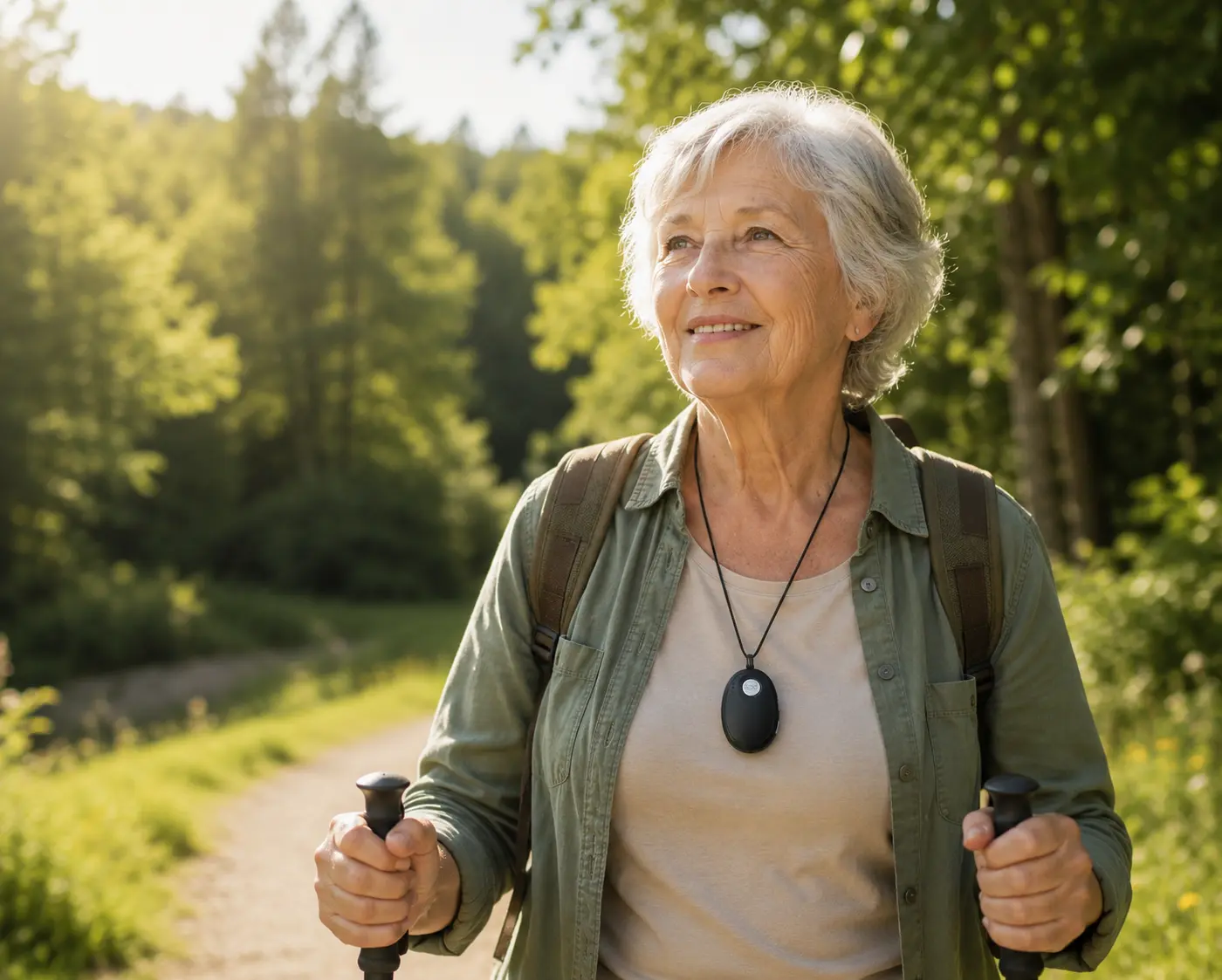
Around midday the sun is at its highest and the strain is greatest. Whenever possible, move shopping, walks and gardening to the cooler hours of the morning or evening.
This does not mean staying indoors all day — quite the opposite. Movement in the fresh air does the body good, as long as it happens at the right moment and, ideally, in the shade.
4. Light Clothing and Sun Protection
Loose-fitting, light-coloured clothing made of cotton or linen lets the skin breathe and keeps the heat at bay. A hat is part of the picture too, along with sun protection for the skin during longer spells outdoors. Sunglasses give the eyes added protection.
5. Keep an Eye on the Circulation
Heat widens the blood vessels and can cause blood pressure to drop. Standing up too quickly can then bring on a wave of dizziness. So:
- When getting up, stay seated for a moment and only then rise slowly
- Put your feet up now and then
- At the first sign of weakness, sit or lie down straight away and have something to drink
Heat, Dizziness and the Risk of Falls
This is where an often underestimated risk arises: heat causes dizziness, and dizziness leads to falls. A circulatory problem in the bathroom, on the stairs or out on a walk can quickly end in a fall — and anyone who is alone at that moment needs help fast.
If you would like to make everyday life safer, our guide to fall prevention offers many more practical tips that hold true all year round.
Staying Active — but Well Supported
For older people in particular, summer is a precious time: the garden, walks, visits, perhaps a trip away. All of this should remain possible. Safety does not mean staying at home; it means being prepared, just in case.
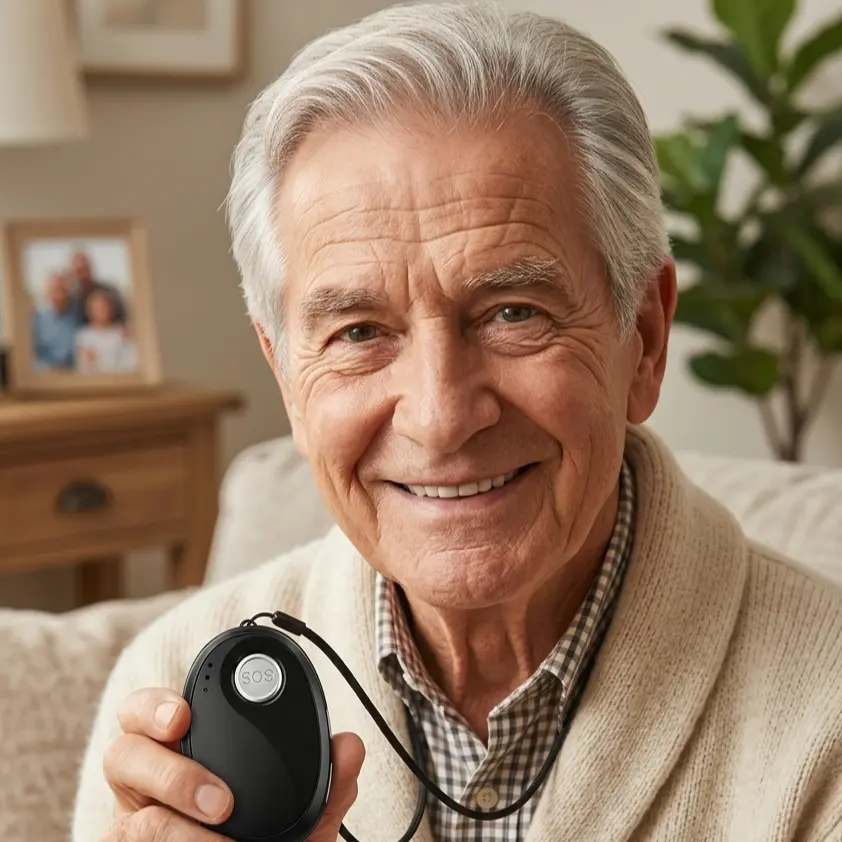
A mobile alarm button like NOA connects, at the press of a button, first to your own trusted contacts — that is, the family who in an emergency are quickest to know what to do. Should they ever be unreachable, a 24/7 emergency call centre stands by as backup. Thanks to GPS, your location can be passed on in an emergency too, even when you are out and about or travelling within Europe.
That way the freedom to enjoy summer outdoors is preserved — with the reassurance of not being alone if something goes wrong.
For Family Members: Check In More Often During the Heat
Hot days are a good reason to keep in touch more frequently. A quick call in the morning and again in the evening, a visit in between, a friendly reminder to drink — it costs little and means a great deal. Older people who live alone benefit especially when someone keeps an eye on them during a heatwave.
Conclusion
In later life, heat is a challenge to be taken seriously, but one that is very manageable. Anyone who drinks enough, keeps the home cool, avoids the hottest hours and watches for warning signs will come through the summer safely. And with a dependable safety net of family and emergency preparedness, one thing above all is preserved: the joy of the long, bright days.
Note: This article offers general information and is no substitute for medical advice. If you have health concerns or questions about medication and how much to drink, please speak to your GP or pharmacist. NOA is not a medical device.